
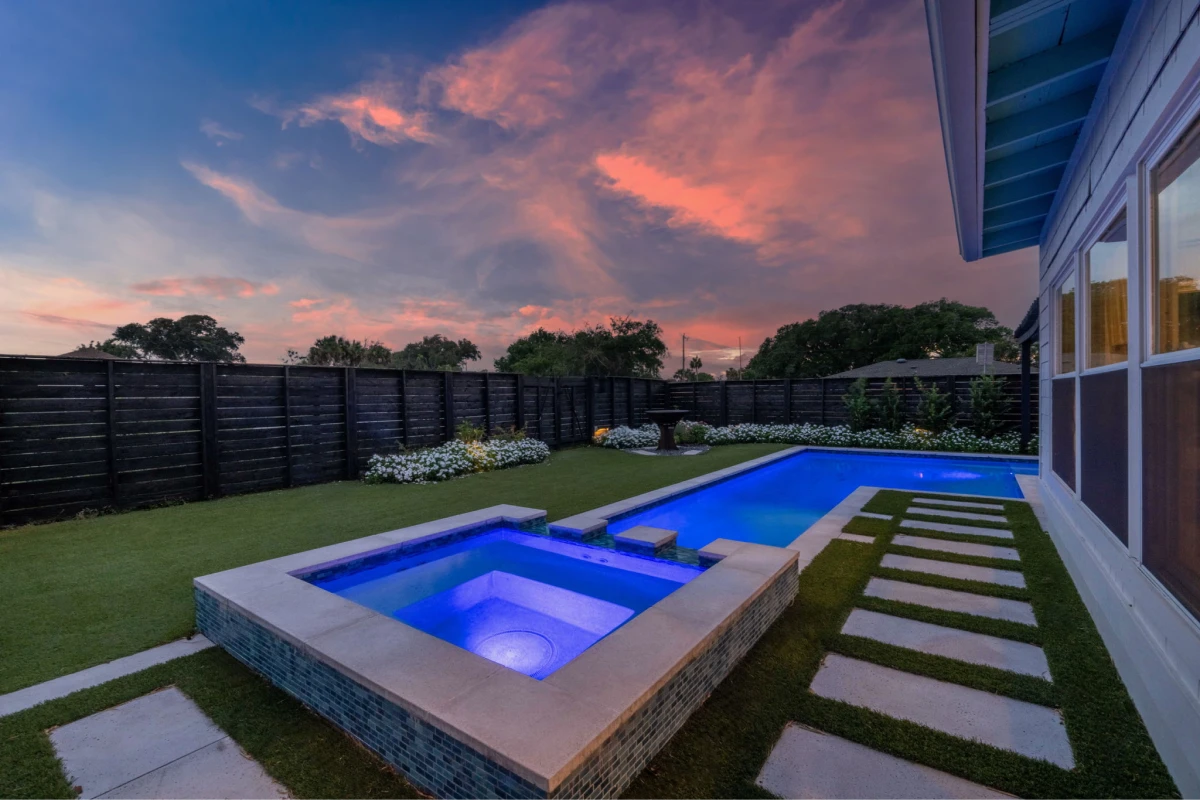
As environmental awareness grows, property developers and managers are turning toward sustainable design. Not only does it reduce a building’s environmental footprint, but it also increases long-term value and tenant appeal.
Core Principles of Sustainable Design
Sustainable design in property development involves more than just using eco-friendly materials—it’s a holistic approach.
Energy Efficiency and Smart Systems
- Installation of solar panels, energy-efficient HVAC systems
- Smart thermostats and lighting to reduce electricity usage
Cost vs. ROI
While initial investments may be higher, long-term energy savings can result in a faster payback period and higher property valuation.
Material Selection and Waste Reduction
Choosing sustainable, locally sourced, or recycled materials minimizes carbon output during construction.
“Sustainable design isn’t just about saving the planet—it’s about future-proofing your property investment.” – Emma Ross, LEED-Certified Architect
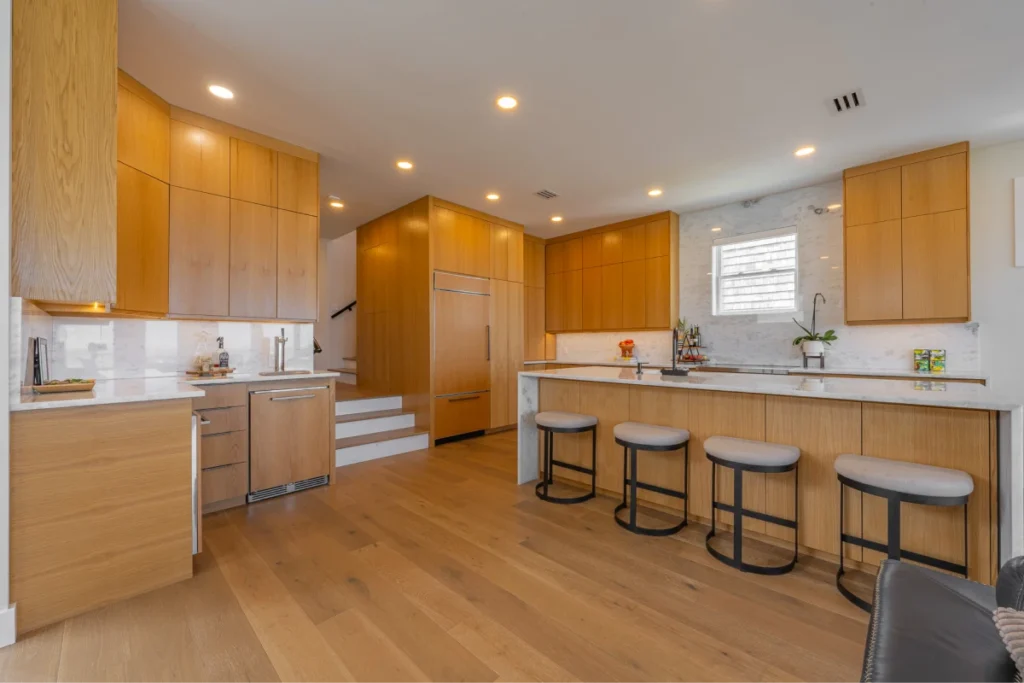
Designing for Tenant Health and Comfort
Modern tenants prioritize wellness. Properties designed with health in mind gain a competitive edge.
Natural Light and Air Flow
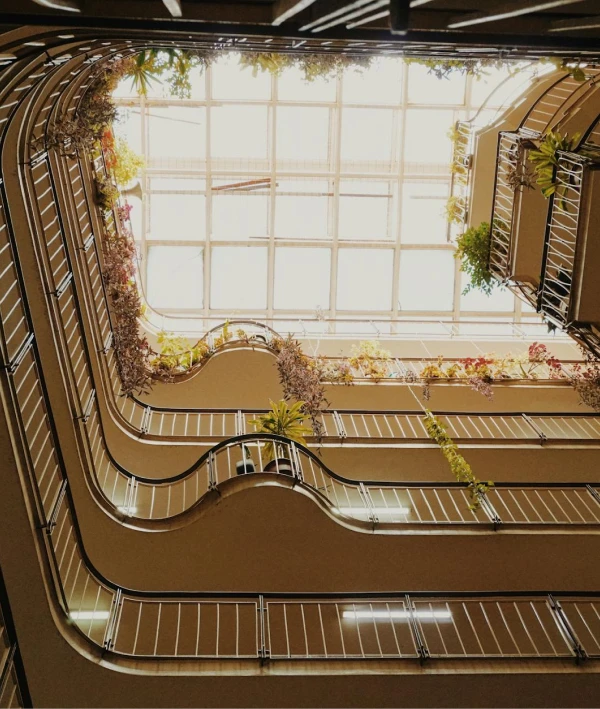
- Floor plans that maximize daylight
- Ventilation systems that promote air quality
Psychological Benefits
Better air quality and lighting improve tenant satisfaction and retention rates.
Integrating sustainable design is no longer a trend—it’s a necessity for forward-thinking property managers and developers.
Phu

Subscribe to the Dealroom Newsletter
The best Design and Construction, Sustainable Construction content from across the internet in your inbox every week.